
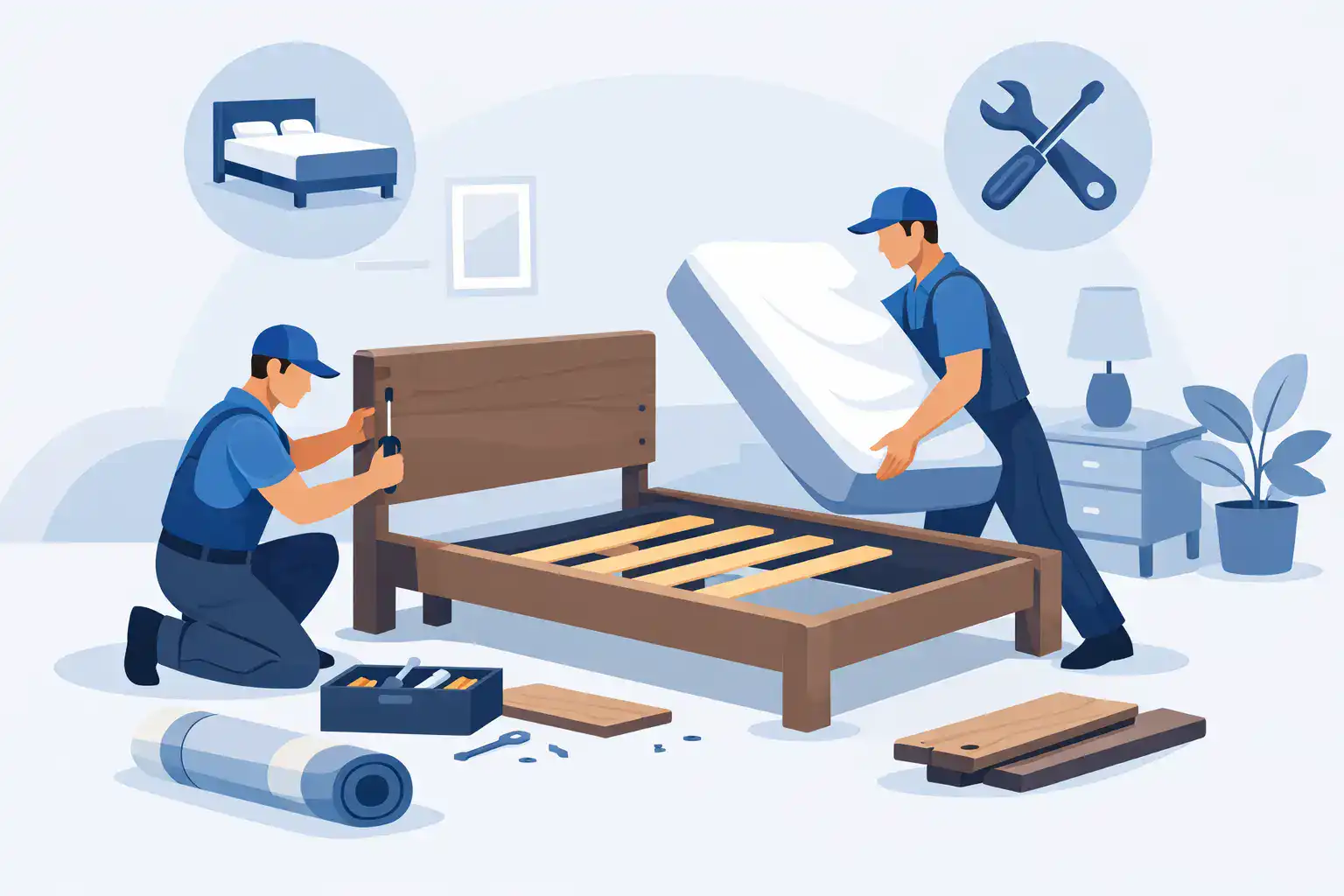
A bed frame that looked simple when you bought it can turn into the slowest part of moving day. Bolts disappear, headboards scrape walls, and platform frames never seem to come apart as neatly as the manual promised. If you’re asking, do movers disassemble beds, the short answer is yes – many full-service movers do. But the real answer depends on the type of bed, the moving package you booked, and whether the crew has clear instructions before they arrive.
Do movers disassemble beds as part of a move?
In many cases, yes. Professional movers regularly take apart standard bed frames so they can be moved safely through hallways, stairwells, elevators, and tight door openings. This is especially common with queen and king beds, beds with large headboards, and frames that cannot be moved in one piece without risking damage to the furniture or the home.
That said, bed disassembly is not always automatic. Some movers include basic furniture disassembly and reassembly in a full-service move, while others treat it as an add-on. A metal bed frame with a few bolts is one thing. A storage bed with drawers, a custom platform frame, or an adjustable base is another. The more complex the setup, the more likely the company will want details ahead of time so they can plan labor, tools, and truck space properly.
This is where hiring a licensed and insured mover matters. A trained crew is not just there to lift. They are there to protect floors, walls, railings, and the furniture itself while working efficiently under real moving-day pressure.
What kinds of beds do movers usually disassemble?
Most movers are comfortable handling standard furniture that is designed to come apart. That usually includes metal frames, wooden side-rail beds, platform beds, bunk beds, daybeds, and many bed frames with detached headboards and footboards. In a full residential move, bed disassembly is one of the most routine setup tasks a crew handles.
Where things get less straightforward is with specialty furniture. Storage beds can have hidden fasteners and delicate drawer hardware. Adjustable beds may involve power connections, remote systems, and manufacturer-specific handling steps. Murphy beds, wall-mounted systems, and custom-built frames often require extra caution and may not be something every mover will touch without advance approval.
If the bed was assembled by a furniture installer, built in place, or modified after purchase, tell your mover before move day. That heads off delays and gives the crew a chance to confirm whether disassembly is included, restricted, or better handled by a specialist.
What movers need to know before they disassemble a bed
Good moving companies do not like surprises, and beds are a common source of them. A quick description over the phone helps, but photos are even better. If your frame has storage drawers, upholstered panels, hydraulic lift components, or attached lighting, say so during the estimate.
The crew also needs to know whether you want the bed reassembled at the destination. For most families, the answer is yes – because nobody wants to search for hardware and rebuild a king bed after a long day of moving. If reassembly is part of the plan, movers can keep matching parts together, label components, and pack hardware so it does not get mixed in with general boxes.
Timing matters too. If your move includes multiple beds, children’s furniture, or office furniture that also needs to be broken down, that adds labor time. A professional company will account for that upfront instead of rushing through the job.
Do movers bring tools for bed disassembly?
A prepared moving crew should. Basic furniture disassembly usually requires common hand tools, Allen keys, screwdrivers, socket sets, and protective materials to keep pieces from rubbing in transit. On a properly equipped truck, the crew should also have moving pads, shrink wrap, floor protection, and tie-downs so the bed components stay secure once loaded.
That equipment matters more than people think. A headboard is easy to scratch if it is leaned against other furniture without padding. Side rails can chip if loose hardware is left attached and bouncing around inside the truck. Even if the disassembly itself is simple, the handling afterward is what protects the condition of the piece.
This is one reason full-service moving tends to save more than just time. It reduces the chance of stripped screws, lost bolts, cracked slats, and cosmetic damage that happens when furniture is taken apart in a rush.
When movers may not disassemble a bed
There are situations where the answer to do movers disassemble beds is no, or at least not without conditions. If the frame looks unstable, already damaged, or poorly assembled, a mover may limit what they are willing to do for liability reasons. The same goes for furniture with missing hardware or pieces that were glued, modified, or repaired in a non-standard way.
Some companies also exclude certain items from standard service agreements. Adjustable bases, antique beds, and custom millwork-style installations may require special approval. If the bed has to be partially dismantled from a wall system or disconnected from electrical components, the mover may ask that it be handled before the crew arrives.
This is not a red flag. It is usually a sign that the company takes risk seriously. A professional mover should be clear about what is covered, what is not, and what may affect timing or cost.
How to prepare your bed before the movers arrive
You do not need to take the frame apart yourself unless the mover specifically asks you to. But you can make the process faster. Strip the bedding, bag the linens, and set aside any mattress protectors you want kept with the bed. Remove personal items stored in drawers, headboard compartments, or under-bed bins.
If you still have the original assembly instructions, keep them nearby. They are not always necessary, but they can help with more complicated frames. It is also smart to point out any existing damage before the crew starts, especially on older wood furniture or upholstered headboards.
For families trying to stay organized, assign one spot for all hardware packets and bed parts. A careful crew will usually bag and label bolts, washers, and brackets, but having a clear plan helps everything stay together from origin to destination.
Will movers reassemble the bed at the new home?
Often, yes – if that service is included in your estimate. Reassembly is one of the biggest practical benefits of hiring professionals. After the truck is unloaded, the crew can place the bed in the correct room, rebuild the frame, and get the mattress set so the space is usable right away.
That matters more than people expect. At the end of a move, getting at least one bed set up can make the entire first night easier, especially for families with children, older adults, or anyone managing a work schedule the next morning.
Still, do not assume reassembly is automatic. Ask whether it applies to every bed on the move, whether it includes bunk beds or storage frames, and whether the crew needs room-specific instructions in advance. Clear expectations prevent end-of-day confusion.
The best question to ask before booking
Instead of only asking, do movers disassemble beds, ask this: what bed-related work is included in my quote?
That phrasing gets you a better answer. It tells you whether the company includes disassembly, reassembly, hardware bagging, protective wrapping, and placement in the destination room. It also gives the mover a chance to ask the right follow-up questions about frame type, mattress size, access issues, and special handling concerns.
At Baker Home Solutions, that kind of planning matters because moving day goes better when the crew knows what is coming. The right equipment, enough labor, and a clear scope of work are what keep a simple bed frame from turning into a delay.
A good mover should make this part feel routine. If they ask smart questions, explain what is included, and show up prepared with tools and protection materials, your bed should be one less thing to worry about when the truck pulls in. That is the standard worth looking for.