
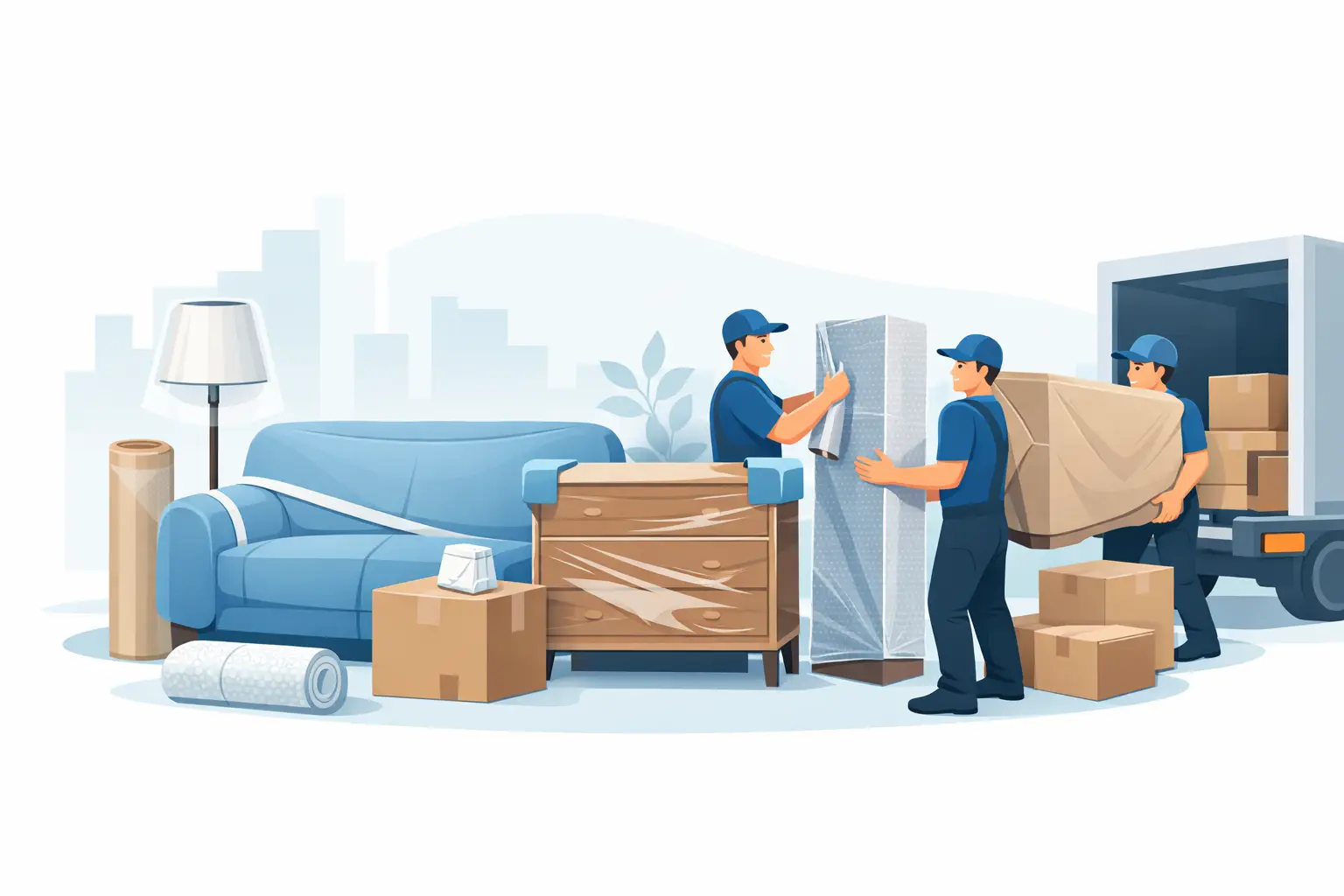
A scratched dining table, a torn sofa arm, or a dresser drawer blown out in transit can turn a routine move into an expensive repair job. Protecting furniture during a move is not just about throwing a blanket over everything and hoping for the best. It comes down to the right materials, the right handling, and a loading plan that accounts for weight, shape, and fragility.
The biggest mistake people make is treating all furniture the same. A solid wood bed frame, a glass-top coffee table, and a modular office desk do not need the same prep. Good moving crews know that protection starts before anything reaches the truck. It starts with assessing what can be disassembled, what needs padding, what should be shrink wrapped, and what needs specialty handling.
Why protecting furniture during a move goes wrong
Most furniture damage happens in predictable ways. Pieces get scraped in tight hallways, legs snap because weight is uneven, finishes get ruined by dirty blankets or tape placed directly on wood, and drawers slide open during transport. Even when the truck ride is smooth, loading pressure can crack panels or crush corners if items are stacked carelessly.
There is also a trade-off people do not always expect. Wrapping everything too loosely leaves surfaces exposed, but wrapping too tightly with the wrong material can trap moisture, rub finishes, or put stress on weak joints. The goal is protection without pressure. That is why experienced movers use a mix of moving pads, stretch wrap, floor runners, and specialty equipment instead of relying on one material for every job.
For homes, that usually means protecting visible surfaces and structural weak points. For offices, it often means focusing on modular components, electronics-adjacent furniture, filing systems, and anything that must be reassembled quickly to reduce downtime.
Start with a furniture-by-furniture plan
Before packing day, walk through the property and sort furniture into three groups: move as-is, disassemble first, and specialty-handle. This sounds simple, but it prevents rushed decisions when the clock is running.
Large pieces like sectionals, dressers, and dining tables may move safely as-is if paths are clear and the truck is loaded properly. Bed frames, conference tables, desks, and shelving units usually travel better when broken down. Anything with stone, glass, mirrored panels, delicate veneers, antiques, or unusual weight distribution belongs in the specialty category.
This is also the stage where measurements matter. A sofa that barely fits through the front door is a damage risk before it ever reaches the driveway. Measure doorways, stairwells, elevators, and the furniture itself. If a piece needs partial disassembly to clear a turn, doing that in advance is far safer than forcing it through a tight opening.
The right materials matter more than people think
If you are serious about protecting furniture during a move, basic household supplies are rarely enough. Bedsheets slip. Thin plastic tears. Loose cardboard shifts. Protection works when materials stay in place and absorb impact.
Moving pads are the standard because they cushion hard edges and finished surfaces. Stretch wrap helps keep pads secure and prevents drawers or doors from swinging open. Floor runners protect both the property and the footing of the crew, which matters when carrying heavy pieces through entryways or across hardwood. Wardrobe boxes are useful for clothing, but they also help keep surrounding furniture from being overloaded with loose items at the last minute.
Tape needs caution. It should never touch finished wood, leather, or delicate painted surfaces directly. Adhesive can pull finish, leave residue, or stain material. The better approach is pad first, then wrap around the padding.
For especially heavy or awkward items, standard dollies are not always enough. Piano skids, appliance dollies, lifting straps, and proper tie-downs are what keep oversized items from becoming hazards. Professional crews invest in this equipment because muscle alone does not prevent damage.
How to protect common furniture types
Wood furniture needs clean padding and stable support. Tables should have legs removed if possible, especially if they are long or narrow. Without that, sideways pressure during carrying can split joints. Dressers can sometimes travel with drawers in place, but only if the structure is solid and the drawers are secured. In many cases, removing drawers reduces weight and lowers the chance of frame damage.
Upholstered furniture needs protection from dirt, snags, and compression. Stretch wrap can shield fabric from surface grime, but it should not be cinched so tightly that it crushes cushions or pulls at seams. For leather, breathability matters. Long periods in heat under plastic are not ideal, so timing and transport conditions make a difference.
Glass and mirrors need edge protection, not just surface coverage. Flat padding alone is not enough if corners are exposed. These items should travel upright when appropriate and be isolated from shifting weight. Placing a glass top under heavy stacked items is a fast way to guarantee a break.
Office furniture has its own risk profile. Desks with cable ports, height-adjustable bases, and modular partitions should be labeled during disassembly so they can be rebuilt quickly. In commercial moves, time lost to reassembly confusion can cost more than the move itself.
Disassembly is often the safer option
People sometimes avoid disassembly because it feels like extra work. In practice, it often reduces both labor strain and repair risk. Bed frames, dining tables, large desks, and shelving systems usually move more safely in smaller components. It is easier to protect a detached tabletop than a fully assembled table with four exposed legs catching every doorway.
The key is keeping hardware organized and parts identified. Bag the screws, bolts, washers, and brackets by item and label them clearly. Panels that look obvious during takedown can become frustrating later if they are not marked. For businesses, this matters even more because workstation layouts, conference rooms, and storage systems need to go back together in a usable order.
That said, not every piece should be taken apart. Some older furniture loosens permanently once disassembled. Some lower-cost particleboard items lose integrity each time screws are removed and reset. This is one of those it-depends decisions where experience matters.
Loading the truck is part of the protection plan
Furniture protection does not end at the front door. A badly loaded truck can undo careful wrapping in minutes. Weight should be distributed evenly, heavy items should anchor the load, and fragile pieces should never carry pressure they were not built to handle.
Mattresses, boxed items, and upright upholstered pieces can sometimes act as buffers. Hard-edged items should be separated with pads. Tabletops should not ride loose where they can slide. Tall pieces need to be secured so they do not tip on turns or during braking.
This is where capacity matters. Overpacking a truck creates avoidable damage because there is no room to pad, separate, or secure items properly. A company with enough truck and trailer capacity can load for safety rather than cramming for convenience. That difference shows up in the condition of the furniture at delivery.
Don’t forget the property itself
Furniture is only half the equation. Floors, walls, railings, and door frames are at risk too. Floor runners, corner awareness, and controlled lifting protect the home or office while also protecting the item being moved. If the carry path is slippery, cluttered, or too narrow, the odds of damage go up for everything involved.
Licensed and insured movers bring peace of mind, but prevention still matters more than claims. The better standard is a trained, uniformed crew using PPE and proper equipment, with a clear process from walkthrough to placement. That is the kind of preparation that keeps moving day efficient instead of chaotic.
When professional help makes the difference
Some moves are manageable with a few strong people and a rental truck. Others are not. If you are moving a full household, handling stairs, transporting antiques, relocating an office, or dealing with heavy specialty items, professional help usually costs less than the damage, delays, and stress of doing it halfway.
Baker Home Solutions approaches moves the way they should be handled – with trained crews, protective materials, the right equipment, and enough fleet capacity to move efficiently without cutting corners. That matters whether you are relocating a family home or trying to get a business back up and running fast.
Protecting furniture during a move is really about control. Control the prep, the materials, the lifting, and the loading, and you control the outcome. When every piece is handled with a plan, moving day feels a lot less like a gamble.