
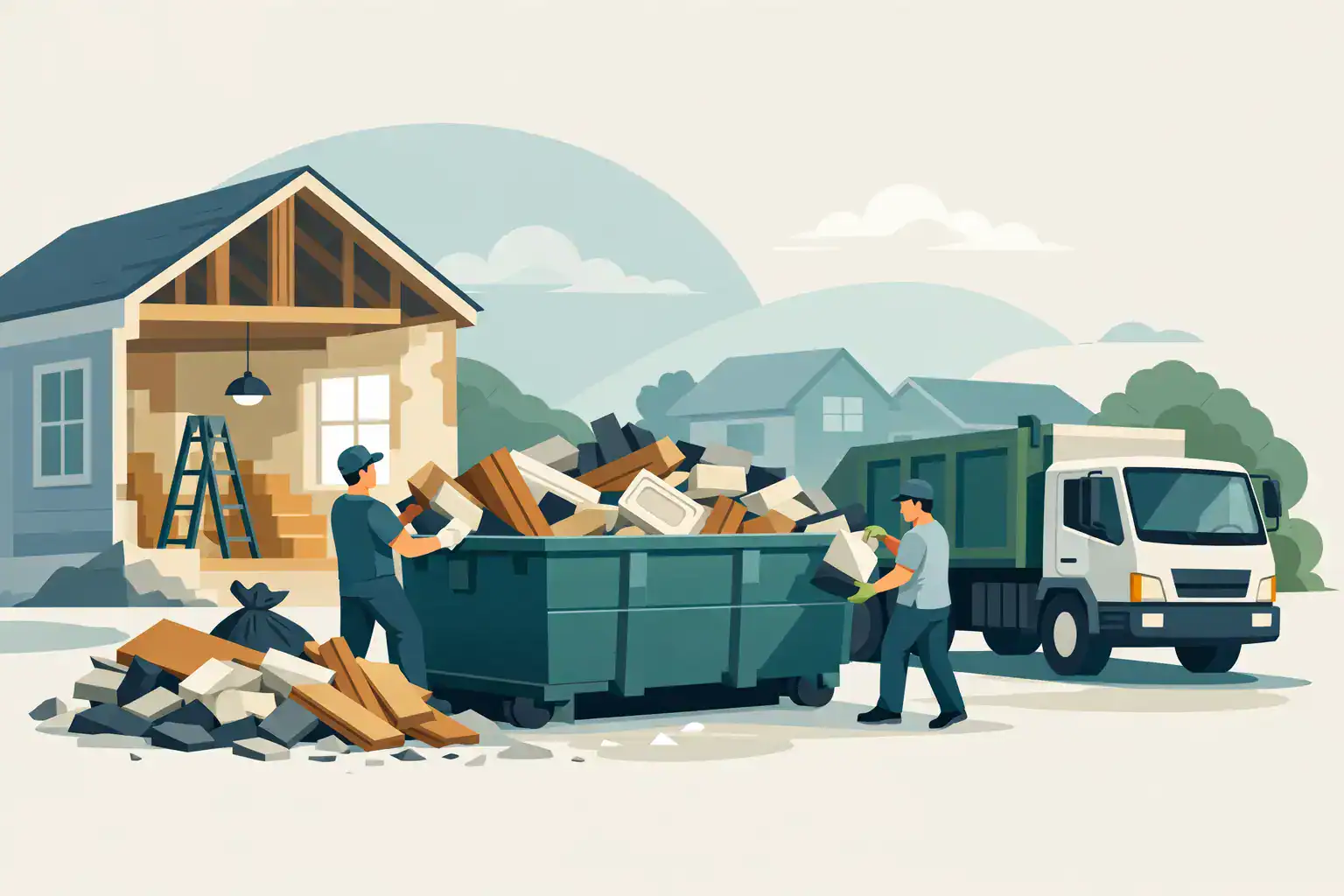
The mess usually shows up before the project is even finished. A bathroom demo leaves broken tile in the hallway, old drywall stacked in the garage, and lumber with exposed nails leaning against the fence. That is where junk removal for renovation debris pickup stops being a convenience and starts being part of the job. If debris sits too long, it slows work down, creates safety issues, and makes the whole house harder to live in.
For homeowners, landlords, and property managers, debris removal is often underestimated. People plan for the contractor, the materials, and the timeline, but not always for what happens after the tear-out. Renovation waste builds fast, and it is rarely as simple as dragging a few bags to the curb. Weight limits, local disposal rules, sharp materials, and the risk of property damage all matter.
What counts as renovation debris pickup
Renovation debris is different from standard household junk. It is heavier, dirtier, and more likely to include materials that need careful handling. Typical loads include drywall, lumber, insulation, cabinetry, flooring, tile, shingles, bathroom fixtures, countertops, doors, trim, and packaging from new materials.
Some jobs also produce mixed debris, which is where things get more complicated. A kitchen remodel, for example, may leave behind broken wood, metal fasteners, glass, old appliances, and general trash in the same pile. That mix can affect both labor time and disposal planning. The cleaner and more organized the debris is, the easier the pickup usually becomes. But on real job sites, it is often a mixed load, and crews need to be ready for that.
There is also a difference between post-renovation cleanup and active-job debris hauling. If your project is underway, pickup may need to happen in stages so the site stays usable. If the work is already done, the goal is usually a fast clear-out that gets the property back to normal as quickly as possible.
Why professional junk removal for renovation debris pickup makes sense
The biggest reason is safety. Renovation debris is full of sharp edges, awkward shapes, splintered wood, broken tile, screws, and fine dust. Moving it without the right equipment increases the chance of injury and property damage. A pile of old flooring may not look like much until it scratches hardwood on the way out or tears up a finished wall in a tight stairwell.
The second reason is efficiency. Most homeowners do not have the truck space, trailers, tie-downs, floor protection, and labor needed to move heavy debris in one trip. That leads to multiple dump runs, more fuel, more time, and more wear on your vehicle. If you are already managing contractors, deliveries, and your regular schedule, that extra work adds up quickly.
Professional crews also understand the handling side of the job. Protecting driveways, entryways, staircases, and finished surfaces matters just as much as loading the debris itself. A licensed and insured company with trained crews, PPE, and the right hauling setup is not just removing junk. They are reducing risk while keeping the project moving.
What a well-run pickup should look like
A solid renovation debris service should feel organized from the first call. That starts with clear quoting. Some jobs can be estimated from photos, while others are better priced after an on-site visit, especially when access is tight or the material is unusually heavy. Concrete, tile, dirt, roofing, and plaster can weigh far more than people expect, so accurate quoting matters.
Arrival and loading should be just as straightforward. The crew should show up on time, confirm the scope, protect the property where needed, and remove the debris without turning the pickup into another cleanup problem. Uniformed teams, proper lifting techniques, and the right tools are not extras. They are signs that the company is built for this work.
Capacity also matters more than many customers realize. A provider with multiple trucks, trailers, and heavy-load towing capability can handle larger pickups without scrambling for equipment. That is especially useful for full-room remodels, estate updates, foreclosure cleanouts, or projects where debris has been piling up for weeks.
Pricing depends on more than volume
People often ask for a flat number right away, but renovation debris is one of those services where the answer is usually, it depends. Volume is part of the price, but not the only factor. Weight is a major one. A small pile of broken tile can cost more to dispose of than a much larger pile of cardboard and trim.
Access is another big variable. Debris sitting in a driveway is quicker to load than debris packed into a basement, third-floor condo, or backyard with narrow gate access. Labor time changes when crews need to carry material down stairs, work around occupied spaces, or remove debris from areas that need extra protection.
Material type matters too. Clean wood, drywall, mixed construction waste, old fixtures, and heavy masonry do not all go through the same disposal path. Some items require more sorting or different handling. That is why free estimates are so useful. They give customers a realistic number before the work starts, rather than a vague guess that changes later.
When same-day pickup is worth it
Not every renovation project can wait. Sometimes a contractor needs the site cleared before the next trade arrives. Sometimes a home is going on the market, tenants are moving in, or an insurance-related repair has to stay on schedule. In those cases, same-day or next-available pickup can make a real difference.
Fast service only helps if the company can actually support it. That means enough fleet capacity, enough crew availability, and a process that is built for quick dispatch without sacrificing professionalism. Speed is useful, but not if it comes with late arrivals, poor communication, or damage to the property.
For larger planned renovations, pre-booking usually works better. It gives you a set removal date that lines up with demolition or completion, and it reduces the chance of debris sitting around longer than necessary. If the project has multiple phases, scheduling more than one pickup may be the smartest move.
How to prepare for renovation debris pickup
A little prep makes the job faster and safer. If possible, separate debris that clearly does not belong in the load, such as tools, personal items, or materials you plan to reuse. This matters a lot on active renovation sites where keep and toss piles can get mixed together.
It also helps to point out any access issues in advance. Let the crew know about narrow stairs, elevator requirements, long carries, detached garages, or sensitive surfaces that need protection. Good information upfront leads to a more accurate quote and a smoother pickup.
If you are working with contractors, coordinate timing so the debris is actually ready when the crew arrives. Half-finished demo can create delays, while loose debris spread across multiple rooms takes longer than a centralized pile. You do not need to have everything perfectly stacked, but a little organization saves time.
Choosing the right company for the job
Not all junk removal services are built for construction and renovation waste. Some are fine for furniture and general household clutter but not equipped for dense, dirty, heavy material. Ask practical questions. Are they licensed and insured? Are they WSIB certified? Do they have enough trucks and trailers for the size of your job? Can they protect floors and entry points while hauling out sharp debris? Can they handle same-day service if needed?
Those details matter because renovation pickup is not just about taking things away. It is about showing up prepared, doing the work cleanly, and leaving the property in better shape than the pile left it. That is the standard Baker Home Solutions is built around, especially for customers who need one dependable team to handle heavy loads, protect the home, and keep the schedule on track.
If your renovation mess is starting to take over the driveway, garage, or living space, the best next step is simple: get it out before it turns into the part of the project you regret most.