
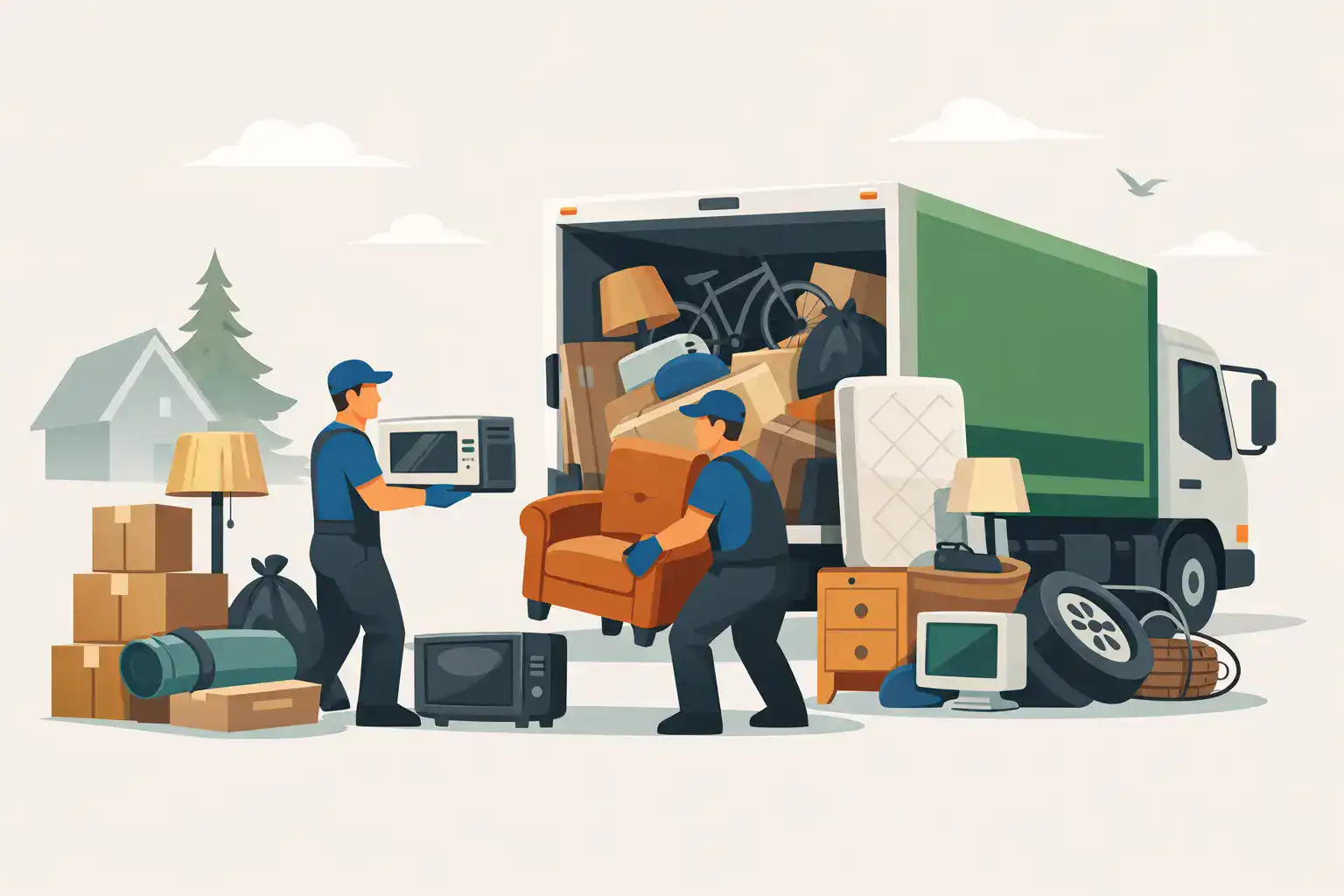
That old treadmill in the basement, the broken desk in the spare room, the pile of renovation debris in the garage – most people do not need help deciding they want it gone. They need a clear answer to one question: what items will junk haulers take? The short version is a lot more than most people expect, but not everything. The exact answer depends on safety rules, landfill restrictions, recycling options, and whether the crew is equipped for heavy, bulky, or specialty loads.
If you are planning a cleanout, move, renovation, estate clear-out, or office reset, knowing what can go saves time and helps you avoid delays on pickup day.
What items will junk haulers take in most cases?
Most professional junk haulers remove non-hazardous household items, office furniture, appliances, yard waste, and general clutter. If it can be lifted, loaded, transported legally, and disposed of through approved channels, there is a good chance it can be taken.
In residential jobs, the most common pickups include couches, mattresses, bed frames, dressers, dining tables, chairs, desks, shelving units, and boxed household clutter. Crews also regularly remove washers, dryers, fridges, freezers, dishwashers, microwaves, and old exercise equipment. Garage cleanouts often include tools, scrap wood, car parts, tires in limited quantities, and mixed junk that has been sitting for years.
For outdoor spaces, many haulers will take fencing, branches, bagged yard waste, patio furniture, grills, playsets, hot tub components, and small shed debris after teardown. For renovation projects, materials like drywall, lumber, flooring, tiles, carpet, insulation, cabinets, vanities, sinks, and demolition debris are often accepted, provided they are not contaminated or mixed with hazardous material.
Commercial pickups usually cover desks, filing cabinets, cubicles, office chairs, monitors, printers, shelving, inventory overflow, packaging waste, and non-hazardous equipment. In office settings, the real value is not just that the junk gets removed. It is that the space is cleared without damage to walls, floors, elevators, or common areas.
Common categories junk haulers usually accept
Furniture and bulky household items
Furniture is the bread and butter of junk removal. Sofas, sectionals, recliners, coffee tables, entertainment units, wardrobes, nightstands, and bookshelves are all standard. The same goes for mattresses and box springs, though some areas have extra disposal fees for those because of local processing rules.
Bulky does not always mean difficult, but it often means planning matters. A second-floor couch, a tight stairwell, or a waterlogged dresser can change labor time and pricing. A professional crew should be ready with moving pads, floor protection, and the right equipment to remove these items without turning your hallway into collateral damage.
Appliances and metal items
Most haulers accept large and small appliances, but there is one catch with some units. Refrigerators, freezers, air conditioners, and dehumidifiers may require special handling if they contain refrigerants. That does not always mean they cannot be removed. It usually means the disposal process has to follow local environmental rules.
Metal items are often easier to process because recycling outlets accept them. That includes old bed frames, filing cabinets, shelving, barbecue frames, and certain machinery parts. If the item is extremely heavy or built into the structure, a hauler may need advance notice to send the right crew and equipment.
Electronics and office equipment
Many junk haulers take TVs, monitors, printers, desktop computers, cables, copiers, phones, and other electronics, but e-waste policies vary. Some companies include these items in a regular load, while others separate them because recycling requirements are different.
For business owners and office managers, this is where professionalism matters. Electronics often need to be removed around active workspaces, shared hallways, and sensitive equipment. A trained, insured crew with a structured process is a safer choice than a guy with a pickup truck and no plan.
Yard waste and light demolition debris
Brush, branches, leaves, old lumber, fencing, broken pavers, and dirt-free landscaping debris are commonly accepted. So are materials from deck removal, bathroom demos, kitchen tear-outs, and flooring replacement.
The details matter here. A few bags of yard waste are simple. Ten loads of soaked fence boards with concrete footings are a different job. Heavy debris can hit truck weight limits quickly, so pricing may depend more on weight than on how much space the material takes up.
What junk haulers usually will not take
This is where people get caught off guard. Just because something is unwanted does not mean it can go on a junk truck.
Most junk haulers will not take hazardous waste. That includes paint, solvents, motor oil, gasoline, propane tanks, pesticides, herbicides, asbestos, medical waste, and chemicals that require special disposal. Some also decline biohazards, wet materials with mold contamination, and anything infested with pests.
Certain construction materials may also be restricted. Concrete, bricks, soil, and large amounts of asphalt are sometimes limited because of weight. The same goes for full-size safes, industrial machinery, and oversized specialty items unless the company has the equipment and crew to manage them.
Tires, batteries, fluorescent bulbs, and some electronics fall into the it-depends category. Many companies can remove them, but only in certain quantities or with added disposal charges.
If you are unsure, ask before pickup day. A good provider will tell you clearly what is allowed, what needs special handling, and what should go to a dedicated disposal facility instead.
What items need special handling?
Some items are accepted, but they are not standard curbside junk. Pianos, gun safes, pool tables, commercial copiers, server racks, large fitness machines, and hot tubs often need more than two people and a dolly.
These jobs require planning, not guesswork. The crew may need to protect floors, disconnect components, remove doors, or use specialty skids and lifting equipment. This is especially true in condos, office buildings, and finished homes where one bad turn can scrape walls, crush trim, or damage common areas.
That is why licensed and insured matters. If a company is handling heavy or high-risk items inside your property, you want a crew that is trained, properly equipped, and covered.
How pricing usually works
Most junk removal pricing is based on volume, weight, labor, item type, and access conditions. A single chair at the curb costs less than a full basement cleanout. A pile of dry cardboard is cheaper to haul than a dense load of tile and plaster.
Access affects price more than people think. If the crew has to navigate stairs, long walks, elevators, detached garages, or narrow hallways, labor time goes up. Specialty items can also add cost because they need more manpower or extra disposal steps.
The best way to avoid surprises is to get a quote that reflects the real job. For larger pickups, an in-person estimate is often the smartest route because it accounts for access, load size, and any special handling before the crew arrives.
How to prepare for a junk pickup
You do not need to stage the load perfectly, but a little preparation helps. Separate what is definitely going from what is staying. If possible, point out any items with glass, sharp edges, liquid residue, or unusual weight. For office jobs, identify what needs to stay operational and what can be removed immediately.
If you are clearing space before a move, it is smart to handle junk removal first. That keeps unwanted furniture, broken appliances, and old boxes from getting packed or moved by mistake. For renovation projects, keep hazardous materials separate from general debris so the load is not delayed.
Photos can also help during quoting. They give the hauler a better sense of volume, access, and whether the crew needs extra equipment.
Choosing the right hauler matters as much as the item list
When people ask what items will junk haulers take, they are often really asking a bigger question: can this company handle my job properly? That is a fair concern. Taking a loveseat from a curb is one thing. Removing a treadmill from a basement, clearing office furniture without downtime, or hauling teardown debris without damaging a driveway is another.
Look for a provider that is licensed and insured, uses trained crews, and gives clear answers before the job starts. If the pickup involves heavy items, sensitive spaces, or a mix of junk and moving support, experience counts. Companies like Baker Home Solutions stand out by combining junk removal with the kind of equipment, crew capacity, and property protection standards that keep the job efficient and controlled.
The easiest junk removal jobs are the ones where nothing gets left behind, nothing gets damaged, and nothing feels uncertain when the truck pulls away.