
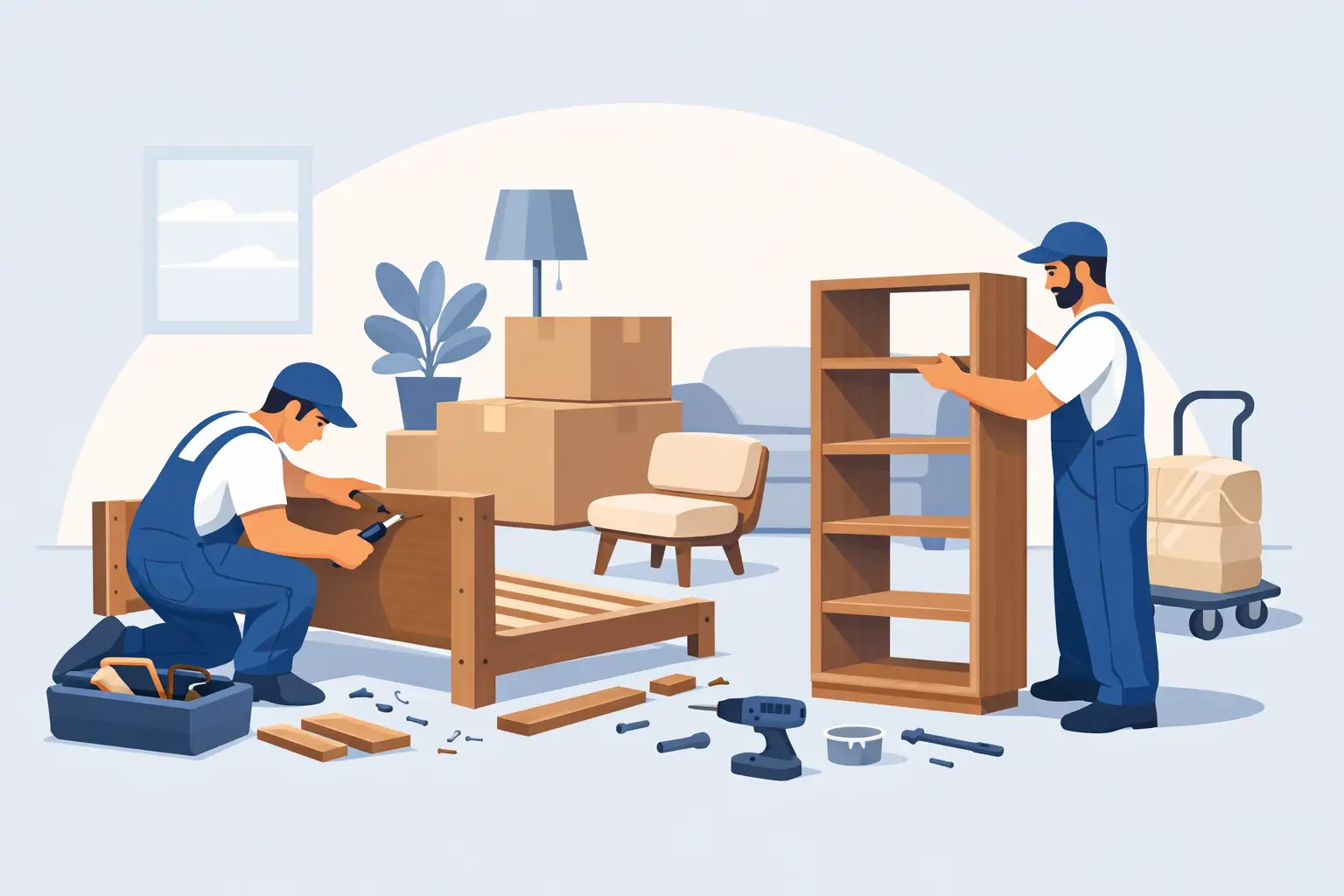
A bed frame that went upstairs easily five years ago suddenly will not clear the hallway on moving day. The sectional that looked manageable in the living room turns into six awkward pieces, hidden brackets, and one missing Allen key. That is exactly where furniture disassembly and reassembly movers earn their keep. This part of a move is not about convenience alone. It is about preventing damage, saving time, and keeping the whole job on schedule.
At first glance, taking furniture apart can seem like an easy way to cut costs. Sometimes it is. A simple metal bed frame or a small dining table may be straightforward if you have the right tools and enough time. But many moves get delayed because furniture is more complex than expected, fasteners are stripped, parts are misplaced, or large pieces scrape walls, floors, and door frames when people try to force them through.
What furniture disassembly and reassembly movers actually do
Professional movers who handle disassembly and reassembly are doing more than unscrewing legs and putting them back on later. They are assessing what needs to come apart, what should stay intact, and how each piece should be protected for transport. That judgment matters because not every item benefits from being broken down.
For example, some solid wood pieces travel better as they are. Others, especially modular furniture, oversized sectionals, bed systems, office workstations, conference tables, and certain shelving units, are safer to move in sections. The goal is not to create more labor. The goal is to reduce stress on the furniture, improve maneuverability, and protect the property around it.
A trained crew also works with a system. Hardware gets bagged and labeled. Fragile panels are padded. Wrapped components stay grouped together. Reassembly is planned around room layout so furniture is placed where it belongs before everything is tightened down. That keeps the last stage of the move from turning into a guessing game.
When disassembly is the smart call
There are obvious cases, like king beds, bunk beds, large desks, entertainment units, and office cubicles. Then there are the less obvious ones. A sofa may technically fit through a doorway, but the angle required might put pressure on the frame or drag fabric across trim and paint. A heavy dining table may fit in one piece, but removing the top can reduce the chance of leg damage and make loading safer.
Staircases, tight turns, elevators, condo hallways, and older homes with narrow door openings often decide the issue before the truck is even loaded. Commercial moves bring a different set of concerns. Workstations, filing systems, boardroom tables, and shelving need to come apart in a way that supports fast setup at the new site. For a business, every hour of delay affects productivity.
This is also where experience matters with specialty items. Adjustable bed bases, mounted desks, glass-top tables, and fitness equipment can require a specific sequence. If the wrong part comes off first, the job gets harder fast.
The real risks of doing it yourself
Most people think first about damage to the furniture, and that is fair. But property damage is just as common. Scuffed walls, chipped banisters, dented floors, and cracked door trim usually happen when large items are carried intact through spaces that are too tight for error.
Then there is the issue of stability after the move. A dresser that is reassembled incorrectly may wobble. A bed frame with cross supports in the wrong place may sag. An office desk that is not leveled properly can create problems long after the truck leaves. What looks assembled is not always assembled correctly.
There is also a time cost people underestimate. A job that seems like one hour can turn into half a day if tools are missing or instructions are long gone. On moving day, delays compound. If the crew is waiting on furniture prep, loading slows down, travel gets pushed back, and final setup happens later than planned.
What to expect from a professional crew
Good furniture disassembly and reassembly movers do not treat this as a side task. It should be part of the moving plan from the estimate stage forward. That means identifying the large or complex items in advance, understanding access points at both locations, and arriving with the tools and protective materials needed for the job.
A professional operation should also be able to explain how they protect your home while the work is happening. Floor runners, moving pads, shrink wrap, and careful handling practices make a real difference when large items are being turned, lifted, and staged near walls. For heavier or unusual pieces, specialized equipment matters too.
That is one reason customers often look for a company that is licensed and insured, with WSIB-certified crews and a clear process. The standard is not simply getting the item from one place to another. The standard is doing it without creating a repair bill in the process.
Furniture disassembly and reassembly movers for homes and offices
Residential moves and commercial moves need different planning, even when the service sounds the same.
In a home, the focus is often on protecting finished spaces and getting families settled quickly. Beds need to be usable the first night. Sofas need to be placed correctly so the room works. Dressers, tables, and shelving have to be reassembled in the right rooms, not left in pieces for later.
In an office, the pressure is usually speed and organization. Desks, meeting tables, shelving, and modular stations should be broken down in a way that supports efficient reinstallation. There may also be electronics, inventory, artwork, machinery, or filing systems moving at the same time. That is why businesses tend to prefer one vendor that can handle packing, transport, furniture breakdown, and setup without handoff problems between crews.
How pricing usually works
This is one area where the honest answer is it depends. Furniture disassembly and reassembly may be included in a full-service move, priced into labor time, or quoted separately for more complex items. The biggest factors are the number of pieces, the complexity of each item, access challenges, and whether the job is residential or commercial.
A simple bed or table is one thing. A full office setup with multiple workstations is another. The right question is not just, “What does this add to the quote?” It is, “What problems does this prevent?” If disassembly avoids property damage, protects expensive furniture, and keeps the move on schedule, the value is usually easy to see.
Free estimates help here because they let the mover identify what really needs special handling. An in-person visit is even better for larger homes, offices, or jobs with narrow access, multiple flights, or heavy items.
How to prepare before moving day
You do not need to over-manage the process, but a little preparation helps. If there are pieces you know will need to come apart, mention them during the quote. Include anything oversized, fragile, custom-built, or unusually heavy. If you still have assembly instructions for certain items, keep them available, though a capable crew should not depend on that alone.
It also helps to decide where major furniture will go in the new place before moving day. Reassembly is faster when the bed, sectional, or conference table is placed once instead of being shifted around after everything is tightened. For office moves, a simple floor plan can save a lot of downtime.
If you are looking for one crew to handle the full process, including packing support, transport, setup, and furniture work, Baker Home Solutions is built for that kind of job. The company serves residential and commercial customers with licensed and insured crews, WSIB certification, protective equipment, and the fleet capacity to handle jobs that need real planning rather than guesswork.
Choosing the right mover for this service
Not every moving company approaches furniture work with the same level of care. Ask direct questions. Do they regularly disassemble and reassemble large household and office items? Do they bring the necessary tools? How do they label hardware and protect components during transport? Are they insured for the work they are performing inside your property?
Reviews matter too, but specifics matter more than star counts alone. Look for comments about punctuality, damage prevention, professionalism, and how well the crew handled difficult pieces. Those details tell you whether the company is truly operationally prepared or just advertising a broad service list.
Moving day goes better when fewer things are left to chance. If a piece is large, awkward, expensive, or critical to getting settled quickly, having it handled by professionals is often the safer play. The right crew does not just take furniture apart and put it back together. They remove one of the easiest ways a move can go sideways.