
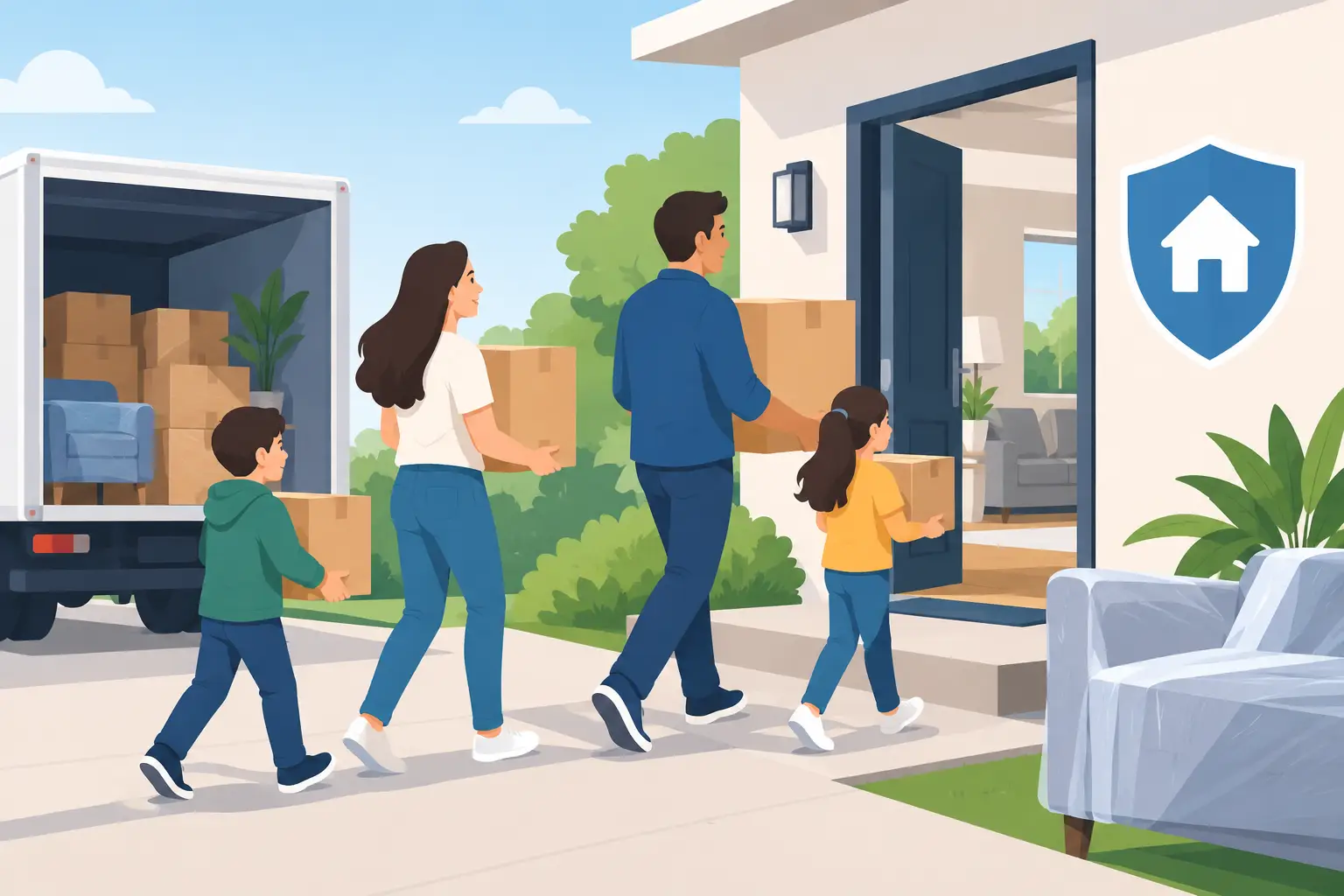
A move can go right until one tight hallway, wet entryway, or rushed final load leaves a scrape in the drywall or a dent in the door frame. For families, those small incidents create extra costs and stress at the exact moment you are trying to settle children, coordinate keys, and keep the schedule moving. A family relocation without property damage is not about being overly cautious. It is about using a clear plan, the right protection, and a crew that treats both addresses as carefully as the items in the truck.
Damage prevention starts before the first box is lifted. The goal is to protect the home you are leaving, the home you are entering, and every item moving between them. That takes more than a truck and a few helping hands. It takes preparation, proper equipment, and a process that does not change when the day gets busy.
Why Property Damage Happens During Family Moves
Most moving damage is predictable. Large furniture meets narrow turns. Dirty wheels cross finished floors. A refrigerator is tipped incorrectly, or a sofa is carried without enough clearance near a stair rail. These are not random accidents. They are usually the result of poor access planning, inadequate protection, or trying to move too quickly with too few people.
Families also tend to have a broad mix of items: heavy bedroom furniture, fragile electronics, toys, mirrors, exercise equipment, patio furniture, and sentimental pieces that cannot be replaced. A one-size-fits-all packing approach creates risk. The same applies to the homes themselves. Hardwood, tile, carpet, freshly painted walls, elevators, railings, and door jambs all need different forms of protection.
Insurance matters, but it should not be the main damage-control plan. A licensed and insured mover can provide important accountability if something goes wrong. The better standard is preventing the issue in the first place through trained handling and documented preparation.
Plan a Family Relocation Without Property Damage
Start with an access walkthrough
Before moving day, walk the route from each room to the truck. Measure large items and check the tightest points: stair landings, hallway turns, door openings, basement exits, and elevator doors. Note low ceilings, loose railings, uneven paths, and any areas where rain or snow could make footing unsafe.
At the new home, identify where the truck can park and how far the crew will need to carry items. A long carry is manageable, but it should be planned for. If the driveway is narrow, the street has parking restrictions, or the home is part of a condo or apartment building, arrange permissions and elevator reservations early. Building management may require certificates of insurance, time windows, or specific loading areas.
This walkthrough also helps determine when an item should be disassembled rather than forced through a doorway. Removing table legs, bed frames, doors from a large wardrobe, or sectional sofa pieces often takes less time than repairing damaged trim later.
Protect the home before loading begins
The first job at a well-run move is not loading boxes. It is setting up protection. Floor runners should cover the traffic path from the entry to the truck, especially over hardwood, light carpet, tile, and newly finished flooring. Corners, banisters, and door frames deserve attention when oversized furniture is being moved.
Professional crews typically rely on a practical set of protective materials:
- Moving pads for wood furniture, appliances, and upholstered pieces
- Floor runners for high-traffic paths and entryways
- Shrink wrap to secure drawers, cushions, and padded furniture coverings
- Mattress bags, wardrobe boxes, and specialty cartons for clean, stable transport
- Door jamb, railing, and corner protection where access is tight
The exact setup depends on the home. A single-story house with wide doors may need less wall protection than a townhouse with two narrow staircases. The principle stays the same: protect vulnerable surfaces before the heavy lifting starts, not after the first mark appears.
Pack for stability, not just speed
Boxes should be packed to close fully, labeled by room, and kept within a safe lifting weight. Overfilled boxes break, shift in the truck, and invite rushed handling. Underfilled boxes can collapse when stacked. Use paper, towels, or other appropriate cushioning to fill empty space around fragile items, and keep heavier contents in smaller boxes whenever possible.
For families, it is helpful to separate a first-night group of essentials: medications, chargers, school materials, pet supplies, basic toiletries, snacks, bedding, and a change of clothes. This does more than make arrival easier. It prevents people from opening every box in a hurry, which can create clutter and trip hazards while furniture is still being brought inside.
Items with special handling requirements should be identified in advance. Pianos, large safes, antiques, glass tabletops, artwork, and oversized appliances need the right equipment and enough trained hands. A piano skid, appliance dolly, furniture straps, and proper loading methods are not extras when the item or route demands them. They are the difference between controlled movement and a risky improvisation.
Moving-Day Habits That Protect Both Homes
A damage-free move depends on communication as much as equipment. Before work begins, the crew should know which items are fragile, which rooms need priority unloading, and which surfaces require extra care. A quick walkthrough with the crew lead gives everyone the same expectations.
Keep children and pets away from active carrying routes. Moving day is busy, and a sudden stop in a hallway can cause an avoidable injury or dropped item. Set up a safe room, arrange childcare, or have one adult take the family out for part of the loading process if possible. This is especially useful during the heaviest work, when furniture and appliances are being moved.
Clear the path outside as well. Remove garden hoses, toys, loose mats, planters, and ice or snow. If weather is poor, crews should use additional floor protection and take a slower, more deliberate approach. Speed has a place in a move, but rushing over wet floors or uneven ground is not efficiency.
Inside the truck, belongings should be loaded in a way that prevents movement in transit. Furniture should be padded and secured, heavy pieces should be positioned correctly, and fragile boxes should not carry weight above them. A capacity-forward fleet and proper trailers are valuable because they allow items to be loaded safely rather than crammed into inadequate space.
Do a final check before departure
Once the truck is loaded, take ten minutes to inspect the home. Open closets, cabinets, the garage, attic access, shed, and basement storage areas. Check behind doors and beneath beds. Then inspect the main moving paths for any issue that should be documented immediately.
This final check is also the right time to make sure keys, remotes, important paperwork, and personal valuables are with you rather than packed in the truck. Families often focus on the big furniture and overlook the small items that create the most trouble later.
Arrival Requires the Same Care as Departure
The new home deserves the same preparation as the old one. Install floor runners before unloading, confirm room labels, and identify where large pieces belong before they come off the truck. It is far safer to place a dresser correctly once than to drag it across a finished floor after realizing it belongs on the other wall.
A room-by-room unloading plan reduces congestion. Bring beds, essential furniture, and the family’s first-night boxes in early. Then work through the remaining rooms in an order that keeps hallways open. Avoid stacking boxes in front of stairways, doorways, or electrical panels.
After the last item is inside, inspect the main access routes and furniture before the crew leaves. A professional mover should welcome a reasonable final walkthrough. Baker Home Solutions uses trained, uniformed crews, protective supplies, and specialty equipment because careful handling should be built into the job, not treated as an upgrade.
A family move will always involve plenty of decisions, but damage should not be one of the risks you simply accept. Give the move enough planning time, protect the paths before work begins, and choose help that has the equipment and discipline to handle the home with care. When the truck pulls away, the best result is simple: your family can start unpacking instead of starting repairs.